Ederlezi
Ederlezi|Saint George's Day (Romani Spring Festival)
Also known as: Hıdırellez · Đurđevdan (Serbian) · Gergyovden (Bulgarian)

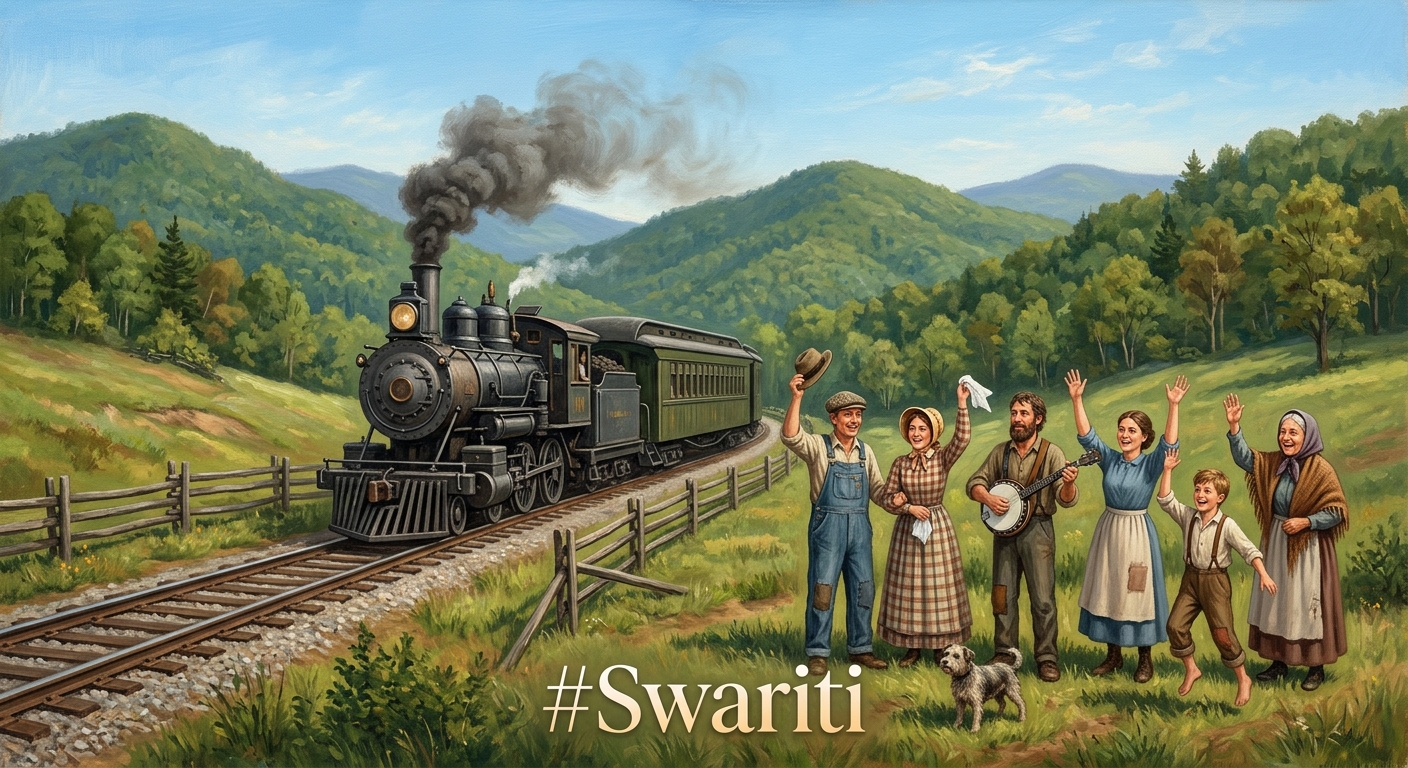
Cover image generated by AI · #Greetingify · #SocialBotStudio
Sa o Roma daje Sa o Roma babo babo Sa o Roma o daje Sa o Roma babo babo Ederlezi, Ederlezi Sa o Roma daje E devado babo, amenge E devado babo, amenge E devado babo, amenge Ederlezi, Ederlezi Ederlezi, Ederlezi Ederlezi, Ederlezi Kheral anava Kheral anava Kheral anava Ederlezi, Ederlezi Ederlezi, Ederlezi Ederlezi, Ederlezi E devado babo, amenge E devado babo, amenge E devado babo, amenge Ederlezi, Ederlezi Ederlezi, Ederlezi Ederlezi, Ederlezi Upre, upre, upre Upre, upre, upre Upre, upre, upre Ederlezi, Ederlezi Ederlezi, Ederlezi Ederlezi, Ederlezi E devado babo, amenge E devado babo, amenge E devado babo, amenge Ederlezi, Ederlezi Ederlezi, Ederlezi Ederlezi, Ederlezi Ake, akana, akana Ake, akana, akana Ake, akana, akana Ederlezi, Ederlezi Ederlezi, Ederlezi Ederlezi, Ederlezi E devado babo, amenge E devado babo, amenge E devado babo, amenge Ederlezi, Ederlezi Ederlezi, Ederlezi Ederlezi, Ederlezi
All the Romani people, mother All the Romani people, father, father All the Romani people, oh mother All the Romani people, father, father Ederlezi, Ederlezi All the Romani people, mother May it be given to us, father May it be given to us, father May it be given to us, father Ederlezi, Ederlezi Ederlezi, Ederlezi Ederlezi, Ederlezi From home I call From home I call From home I call Ederlezi, Ederlezi Ederlezi, Ederlezi Ederlezi, Ederlezi May it be given to us, father May it be given to us, father May it be given to us, father Ederlezi, Ederlezi Ederlezi, Ederlezi Ederlezi, Ederlezi Up, up, up Up, up, up Up, up, up Ederlezi, Ederlezi Ederlezi, Ederlezi Ederlezi, Ederlezi May it be given to us, father May it be given to us, father May it be given to us, father Ederlezi, Ederlezi Ederlezi, Ederlezi Ederlezi, Ederlezi Here, now, now Here, now, now Here, now, now Ederlezi, Ederlezi Ederlezi, Ederlezi Ederlezi, Ederlezi May it be given to us, father May it be given to us, father May it be given to us, father Ederlezi, Ederlezi Ederlezi, Ederlezi Ederlezi, Ederlezi
The translation aims to convey the celebratory and communal spirit of the song. The Romani lyrics are simple and repetitive, emphasizing the festival's name and calling upon 'mother' and 'father' as figures of community and tradition.
Ederlezi is a deeply significant spring festival celebrated by Romani people across the Balkans and Turkey, marking the arrival of spring and the end of winter. The festival's name, 'Ederlezi', is derived from the Turkish 'Hıdırellez', which commemorates the legendary meeting of the prophets Al-Khidr (Hızır) and Elijah (İlyas) on Earth, symbolizing renewal and abundance. For the Romani community, Ederlezi is a time of profound cultural and spiritual importance, rooted in ancient traditions celebrating fertility, prosperity, and the awakening of nature after the cold months. It is a day when families reunite, communities gather, and hopes for a bountiful year are expressed through song, dance, and ritual. The cultural significance of Ederlezi extends beyond mere celebration; it is a reaffirmation of Romani identity and resilience. Traditional rituals associated with the festival include bathing in rivers or springs at dawn for purification and good health, decorating homes and trees with fresh flowers and green branches to invite prosperity, and lighting bonfires for protection and warmth. A central practice involves the sacrifice of a lamb, shared communally, symbolizing renewal and offering thanks. These customs are vital for passing down cultural heritage to younger generations, ensuring the continuity of Romani traditions amidst various social challenges. The song 'Ederlezi' itself is an integral part of these festivities, embodying the joy and communal spirit of the occasion. The performance of 'Ederlezi' is typically communal and vibrant, often featuring a blend of traditional Balkan instruments. Accordions, clarinets, violins, and davuls (large double-headed drums) provide the lively accompaniment to the singing and dancing. The song's rhythm is infectious, encouraging participants to join in traditional Romani dances like the *kolo* or *hora*, where people form a circle and move together. It is sung by people of all ages, from children learning the melodies to elders leading the verses, creating a powerful sense of unity and shared heritage. The call-and-response elements and repetitive structure make it easy for everyone to participate, fostering a strong sense of belonging. In contemporary times, 'Ederlezi' has gained global recognition, largely due to Goran Bregović's iconic arrangement for Emir Kusturica's 1988 film 'Time of the Gypsies' (Dom za vešanje). This exposure introduced the song and, by extension, Romani culture to a wider international audience, cementing its status as a symbol of Balkan folk music and Romani identity. While adaptations exist, the core essence of the song—its celebration of spring, community, and hope—remains unchanged. Its continued performance and appreciation, both within Romani communities and by world music enthusiasts, are crucial for the preservation of this rich cultural heritage, ensuring that the spirit of Ederlezi continues to resonate for generations to come.
Historical Background
Ederlezi is an ancient spring festival with roots in pre-Christian traditions and later influenced by Islamic (Hıdırellez) and Orthodox Christian (Đurđevdan/Gergyovden) customs. The song itself is a traditional Romani folk composition, passed down orally, reflecting centuries of cultural exchange and adaptation within the Balkan region. Its popularity surged globally after its inclusion in the 1988 film 'Time of the Gypsies'.
Cultural Significance
The song 'Ederlezi' is a powerful emblem of Romani culture, identity, and resilience. It embodies the communal spirit, joy, and hope associated with the spring festival, which is a cornerstone of Romani tradition. Its widespread recognition has helped introduce Romani music and culture to a global audience, fostering appreciation for this vibrant heritage.
Usage & Performance Context
Performed during the Ederlezi (Hıdırellez) spring festival, primarily by Romani communities across the Balkans and Turkey. It is sung communally during gatherings, dances, and family celebrations, marking the arrival of spring and symbolizing renewal and good fortune.
What is Ederlezi?
Ederlezi is a traditional Romani folk song and the name of a major spring festival celebrated by Romani people across the Balkans and Turkey. It marks the arrival of spring, symbolizing renewal, fertility, and good fortune.
What is the origin of the Ederlezi festival?
The Ederlezi festival has ancient roots in pre-Christian spring rites, later influenced by the Islamic Hıdırellez (commemorating prophets Al-Khidr and Elijah) and Orthodox Christian Đurđevdan (Saint George's Day) traditions. It's a blend of cultural and religious influences.
What are the cultural traditions associated with Ederlezi?
Traditions include ritual bathing in rivers for purification, decorating homes with flowers and green branches, lighting bonfires, and communal feasting, often involving the sacrifice of a lamb. Music, singing, and traditional dances are central to the celebrations.
Why is the Ederlezi song so well-known?
The song gained significant international recognition after its inclusion in Emir Kusturica's 1988 film 'Time of the Gypsies', with a memorable arrangement by Goran Bregović. This brought Romani culture and music to a global audience.
What instruments are typically used when performing Ederlezi?
Traditional performances often feature instruments common in Balkan folk music, such as the accordion, clarinet, violin, and davul (a large double-headed drum). Other instruments like tarabuka, tambura, and brass instruments may also be included.
Region
Various regions across the Balkans, Multi-country (Balkans)
Language
Romani (Latin)
Themes
Contributor
Anonymous
Based on 0 ratings.