
Que Sera, Sera
Que Sera, Sera|Whatever Will Be, Will Be
Also known as: Whatever Will Be, Will Be
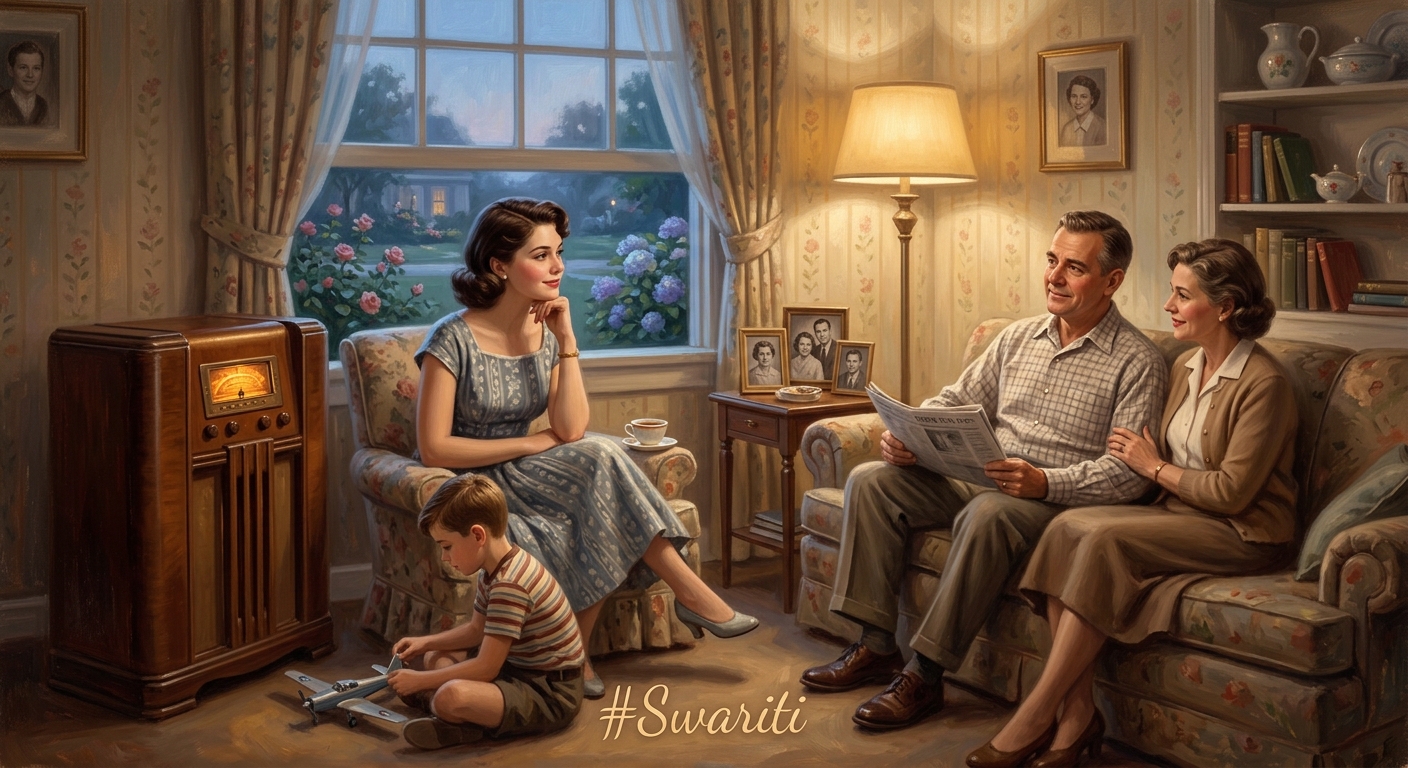
Cover image generated by AI · #Greetingify · #SocialBotStudio
When I was just a little girl, I asked my mother, 'What will I be? Will I be pretty? Will I be rich?' Here's what she said to me: 'Que Sera, Sera, Whatever will be, will be. The future's not ours to see. Que Sera, Sera, What will be, will be.'
When I was just a little girl, I asked my mother, 'What will I be? Will I be pretty? Will I be rich?' Here's what she said to me: 'Que Sera, Sera, Whatever will be, will be. The future's not ours to see. Que Sera, Sera, What will be, will be.'
The original lyrics are in English, with the Spanish phrase 'Que Sera, Sera' integrated into the chorus. The translation provided is a direct rendition of the English text.
Que Sera, Sera (Whatever Will Be, Will Be) is an iconic song composed by the songwriting duo Jay Livingston and Ray Evans in 1956. It was specifically written for the Alfred Hitchcock film *The Man Who Knew Too Much*, where it was famously performed by the film's star, Doris Day. The song quickly transcended its cinematic origins to become a global phenomenon, resonating deeply with the American public and international audiences during the mid-20th century. Its simple, philosophical message about the acceptance of an uncertain future struck a chord in a post-war world grappling with new anxieties and aspirations. While often perceived as a folk-like tune due to its accessible melody and universal theme, it originated as a piece of popular film music, firmly establishing itself within the American pop culture landscape of the 1950s. The song's cultural significance lies in its enduring message of stoicism and hope. "Que Sera, Sera" became an anthem for embracing life's unpredictability, a sentiment that has remained relevant across generations. It is frequently heard at informal gatherings, family events, and as a nostalgic reminder of simpler times. While not associated with specific festivals or rituals, its theme of fate and destiny aligns with universal human experiences, making it a comforting and reflective piece for moments of contemplation or transition. Its widespread popularity led to its adoption in various contexts, from lullabies sung by parents to children to background music in countless media productions, solidifying its place in the collective consciousness as a symbol of gentle resignation and optimism. Originally performed by Doris Day in a memorable scene in *The Man Who Knew Too Much*, the song's initial arrangement featured a classic orchestral pop sound, characteristic of 1950s film scores. Day's warm, clear vocal delivery became the definitive version. Since its release, "Que Sera, Sera" has been covered by numerous artists across various genres, often adapted for different instrumental setups. It is commonly performed with piano, guitar, and light percussion, suitable for singalongs or solo vocal performances. Its simple melodic structure and repetitive chorus make it easy for people of all ages to learn and sing, contributing to its enduring appeal. It's often sung by individuals reflecting on life stages, by parents to children, or in group settings where a sense of shared human experience is desired. Today, "Que Sera, Sera" continues to be a beloved classic, frequently featured in films, television shows, and commercials, often to evoke a sense of nostalgia or to underscore themes of fate and acceptance. Its timeless melody and message ensure its continued relevance, even as musical tastes evolve. While modern adaptations might introduce contemporary instrumentation or vocal styles, the core essence of the song remains unchanged. Preservation efforts focus on maintaining its historical context as a significant piece of American film and popular music, ensuring its original recordings and arrangements are accessible. It serves as a cultural touchstone, reminding us of the enduring power of simple truths expressed through song and its ability to transcend generations, offering comfort and perspective on the journey of life.
Historical Background
Composed in 1956 by Jay Livingston and Ray Evans for Alfred Hitchcock's film *The Man Who Knew Too Much*, performed by Doris Day. It became a global hit and won an Academy Award for Best Original Song.
Cultural Significance
An iconic song representing mid-20th century American optimism and acceptance of fate; widely recognized and beloved across generations, symbolizing a gentle resignation to life's unpredictability.
Usage & Performance Context
Sung in films, popular culture, family gatherings, personal reflection, lullabies, nostalgic events.
Who originally sang "Que Sera, Sera"?
"Que Sera, Sera (Whatever Will Be, Will Be)" was famously sung by Doris Day in the 1956 Alfred Hitchcock film *The Man Who Knew Too Much*.
What is the meaning of "Que Sera, Sera"?
"Que Sera, Sera" is a Spanish phrase meaning "Whatever will be, will be." The song's lyrics convey a message of accepting the future and life's uncertainties with a sense of calm and optimism.
When was "Que Sera, Sera" released?
The song "Que Sera, Sera (Whatever Will Be, Will Be)" was released in 1956 as part of the soundtrack for the film *The Man Who Knew Too Much*.
Is "Que Sera, Sera" a public domain song?
No, "Que Sera, Sera (Whatever Will Be, Will Be)" is not in the public domain. It was composed by Jay Livingston and Ray Evans in 1956 and remains protected by copyright.
What film is "Que Sera, Sera" from?
"Que Sera, Sera (Whatever Will Be, Will Be)" is famously featured in the 1956 Alfred Hitchcock thriller *The Man Who Knew Too Much*, starring Doris Day and James Stewart.
Region
California, United States
Language
English (Latin)
Themes
Contributor
Anonymous
Based on 0 ratings.


