Swing Low, Sweet Chariot
Swing Low, Sweet Chariot|Swing Low, Sweet Chariot
Also known as: Swing Low · Sweet Chariot

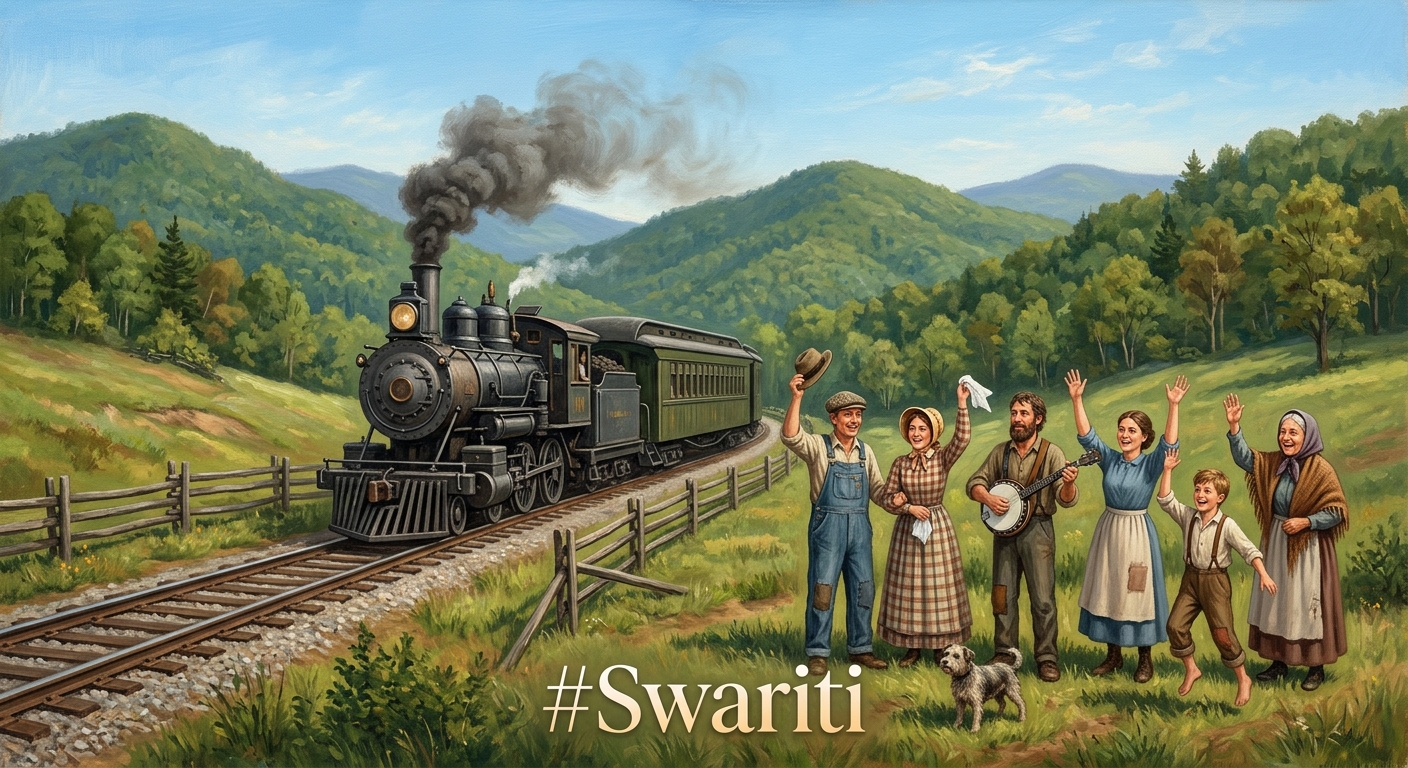
Cover image generated by AI · #Greetingify · #SocialBotStudio
Swing low, sweet chariot, Comin' for to carry me home. Swing low, sweet chariot, Comin' for to carry me home. I looked over Jordan, and what did I see, Comin' for to carry me home? A band of angels comin' after me, Comin' for to carry me home. If you get there before I do, Comin' for to carry me home, Tell all my friends I'm comin' too, Comin' for to carry me home. The brightest day that I ever saw, Comin' for to carry me home, When Jesus washed my sins away, Comin' for to carry me home. I'm sometimes up, I'm sometimes down, Comin' for to carry me home, But still my soul feels heavenly bound, Comin' for to carry me home.
Swing low, sweet chariot, Coming for to carry me home. Swing low, sweet chariot, Coming for to carry me home. I looked over Jordan, and what did I see, Coming for to carry me home? A band of angels coming after me, Coming for to carry me home. If you get there before I do, Coming for to carry me home, Tell all my friends I'm coming too, Coming for to carry me home. The brightest day that I ever saw, Coming for to carry me home, When Jesus washed my sins away, Coming for to carry me home. I'm sometimes up, I'm sometimes down, Coming for to carry me home, But still my soul feels heavenly bound, Coming for to carry me home.
As the original lyrics are in English, the 'translation' provided is identical to the original, preserving the exact wording and stanza breaks for consistency.
### Historical Background and Origin "Swing Low, Sweet Chariot" is one of the most iconic and enduring African American spirituals, believed to have originated in the mid-19th century among enslaved African Americans in the Southern United States. Its authorship is often attributed to Wallace Willis, a Choctaw freedman from the Indian Territory (present-day Oklahoma), who is said to have composed it around 1865. The song was first transcribed and popularized by the Fisk Jubilee Singers, a group of formerly enslaved students from Fisk University, who performed it during their fundraising tours in the 1870s. These spirituals served as a vital form of expression for enslaved people, conveying deep spiritual longing, resilience, and hope for freedom and salvation amidst immense suffering. The imagery of a 'chariot' and 'Jordan' often carried dual meanings: a literal escape to freedom (North or Canada) and a spiritual journey to heaven, a release from earthly bondage. ### Cultural Significance and Usage The song's cultural significance is profound, representing the spiritual bedrock of the African American experience. It is a testament to the power of faith and music in overcoming adversity. Historically, it was sung in various contexts, from clandestine worship gatherings on plantations to public church services after emancipation. It served as a source of comfort, solidarity, and coded communication. The themes of deliverance, home, and heavenly reward resonated deeply with a people yearning for liberation. Today, "Swing Low, Sweet Chariot" remains a staple in African American churches, a powerful anthem of hope and remembrance. It is frequently performed at funerals, memorial services, and civil rights events, symbolizing the journey from struggle to peace and the enduring spirit of the community. ### Performance Context and Instruments African American spirituals, including "Swing Low, Sweet Chariot," were primarily vocal traditions. Early performances were often *a cappella*, relying on the rich harmonies and call-and-response patterns characteristic of African musical traditions. The singing style is deeply emotive, often featuring improvisation, melisma, and a strong rhythmic pulse, even without instrumental accompaniment. When instruments were available, they might include simple percussion, banjo, or guitar, but the voice remained paramount. The performance style is communal, encouraging participation from the congregation, with lead singers often improvising verses and the chorus responding. This collective singing fostered a sense of unity and shared experience, transforming suffering into a communal act of worship and resistance. ### Modern Relevance and Preservation "Swing Low, Sweet Chariot" continues to hold immense relevance in contemporary society. Its message of hope and perseverance transcends its original context, resonating with anyone facing hardship. It has been covered by countless artists across various genres, from folk and gospel to jazz and pop, cementing its place in the global musical canon. Its inclusion in the Grammy Hall of Fame and the Library of Congress's National Recording Registry underscores its historical and cultural importance. The song is also famously associated with rugby, particularly as an anthem for the England national team, a testament to its universal appeal, though this usage has sparked discussions about cultural appropriation. Efforts to preserve and educate about the origins of spirituals like this are crucial, ensuring that their historical context and profound meaning are not lost, but rather celebrated as a cornerstone of American and global cultural heritage.
Historical Background
Originated among enslaved African Americans in the Southern United States during the mid-19th century. Popularized by the Fisk Jubilee Singers in the 1870s. Reflects the yearning for freedom and spiritual salvation during slavery and post-emancipation struggles.
Cultural Significance
A foundational African American spiritual, symbolizing resilience, faith, and the pursuit of freedom. It is a powerful expression of the African American experience and has influenced various musical genres and cultural movements globally. It serves as a reminder of historical struggles and enduring hope.
Usage & Performance Context
Congregational singing, church services, funerals, memorial services, civil rights gatherings, spiritual concerts, community gatherings, personal reflection.
What is 'Swing Low, Sweet Chariot'?
'Swing Low, Sweet Chariot' is a classic African American spiritual, a genre of music developed by enslaved African Americans in the Southern United States. It is a song of hope, deliverance, and spiritual longing for freedom and a heavenly home.
Who composed 'Swing Low, Sweet Chariot'?
The song is widely attributed to Wallace Willis, a Choctaw freedman from the Indian Territory (present-day Oklahoma), who is believed to have composed it around 1865. It was later transcribed and popularized by the Fisk Jubilee Singers in the 1870s.
What is the meaning behind the lyrics of 'Swing Low, Sweet Chariot'?
The lyrics carry dual meanings. The 'sweet chariot' and 'Jordan' symbolize both the literal escape to freedom (e.g., crossing the Ohio River to the North) and the spiritual journey to heaven, offering solace and hope for an end to earthly suffering and bondage.
When was 'Swing Low, Sweet Chariot' first published?
While it existed as an oral tradition for some time, 'Swing Low, Sweet Chariot' was first published in written form in 1872, after being transcribed from performances by the Fisk Jubilee Singers during their tours.
Why is 'Swing Low, Sweet Chariot' culturally significant?
It is culturally significant as a powerful expression of the African American experience, embodying resilience, faith, and the pursuit of freedom during and after slavery. It remains a foundational piece of American music and a symbol of hope and spiritual strength.
Region
Southern United States, United States
Language
English (Latin)
Themes
Contributor
Anonymous
Based on 0 ratings.